Guides
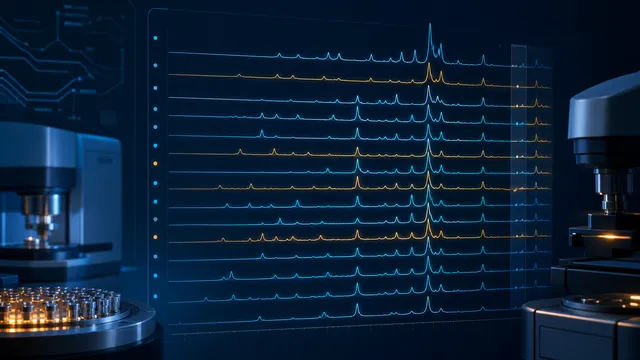
How to Overlay FTIR, Raman, and XRD Spectra
Choose overlay, stack, offset, normalization, and baseline correction for multi-sample FTIR, Raman, and XRD comparisons without hiding real differences.
32 posts
Choose overlay, stack, offset, normalization, and baseline correction for multi-sample FTIR, Raman, and XRD comparisons without hiding real differences.
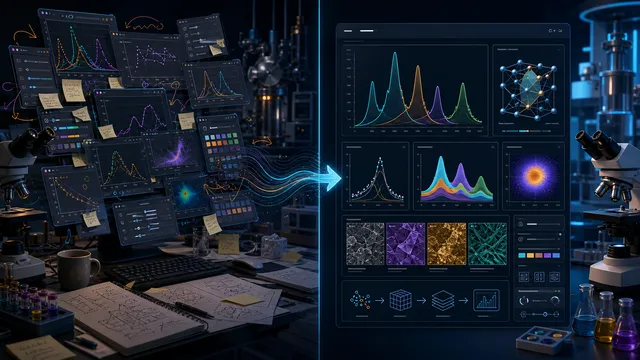
Build consistent XRD, FTIR, Raman, and UV-Vis figures with repeatable offsets, fonts, axes, and export settings instead of reformatting every plot.
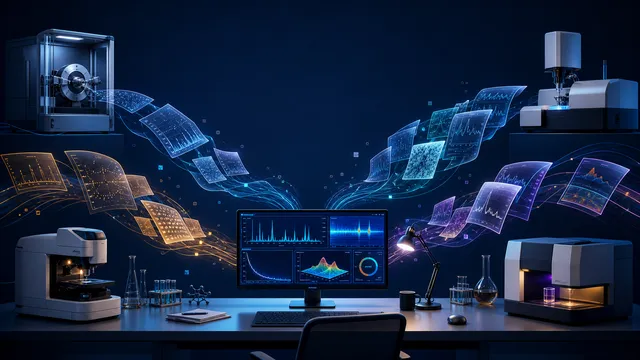
Open common XRD, FTIR, Raman, and UV-Vis exports without a conversion maze. Learn what to verify before plotting data locally on Windows.
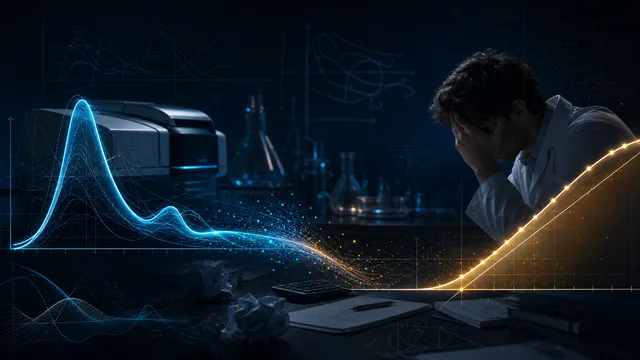
See how transition type, fit-window selection, thickness, scattering, and Urbach tails change a Tauc band-gap estimate—and how to report it clearly.
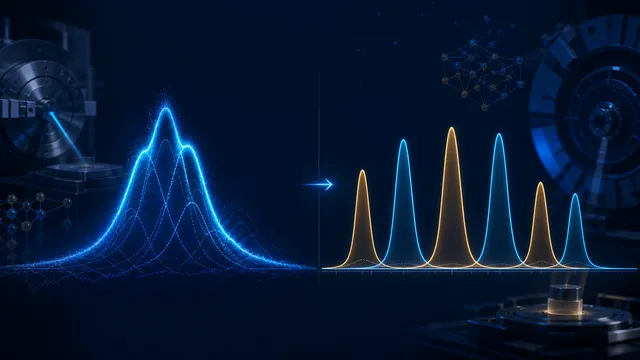
Learn why overlapping peaks, sloping backgrounds, and instrument broadening can make manual XRD FWHM unreliable, and what to check before fitting.
A practical FTIR and Raman workflow for Windows: load multiple files, correct the baseline, smooth carefully, stack spectra, detect peaks and export a journal-ready figure.
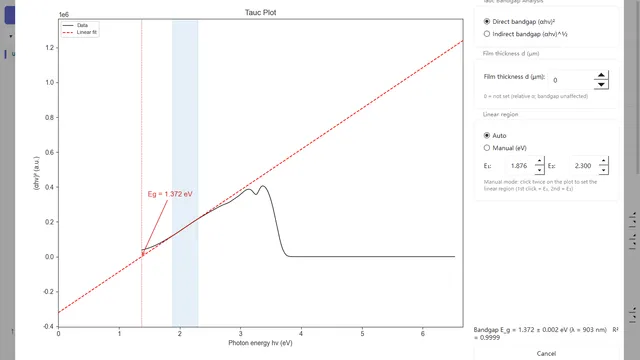
Learn how to estimate optical band gap from UV-Vis data with a Tauc plot, including direct and indirect transitions, absorption coefficient, linear-region selection and Eg.
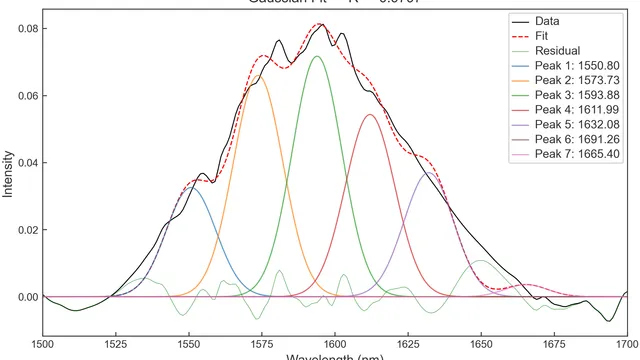
A practical guide to XRD peak fitting with Gaussian, Lorentzian and mixed profiles, including FWHM, R², residuals and overlapping-peak analysis.
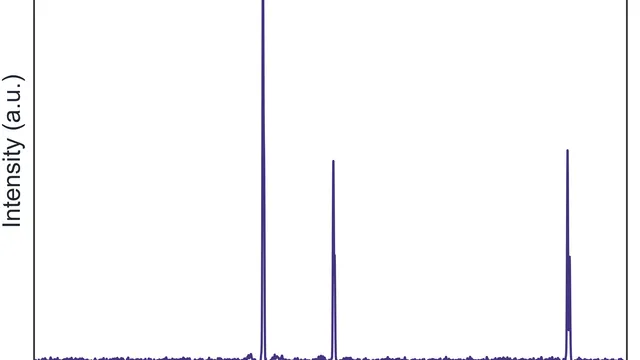
Create a clean XRD journal figure on Windows without Origin or Python: load multiple files, correct the baseline, stack samples, apply journal styles and export at 300 DPI.
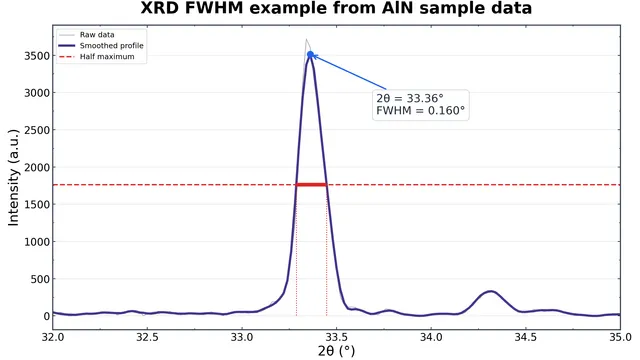
Learn how to calculate crystallite size from XRD peak broadening with the Scherrer equation and Williamson–Hall analysis, including FWHM conversion and practical software workflow.
A step-by-step guide to calculating crystallite (grain) size from XRD peak broadening with the Scherrer equation — how to measure 2θ and FWHM, convert units, and avoid the most common mistakes, with a worked example.
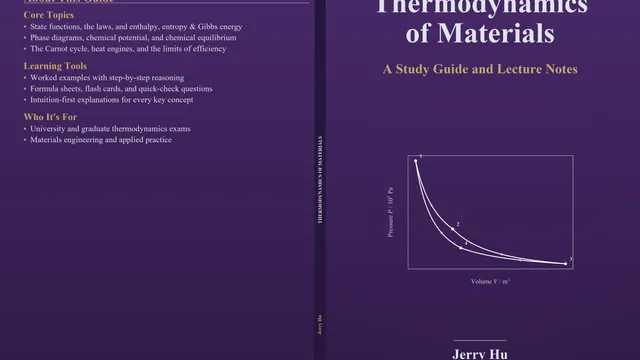
Materials thermodynamics intimidates engineering students more than it should. The key is separating the conceptual core (free energy, equilibrium, phase stability) from the mathematical machinery used to calculate them.
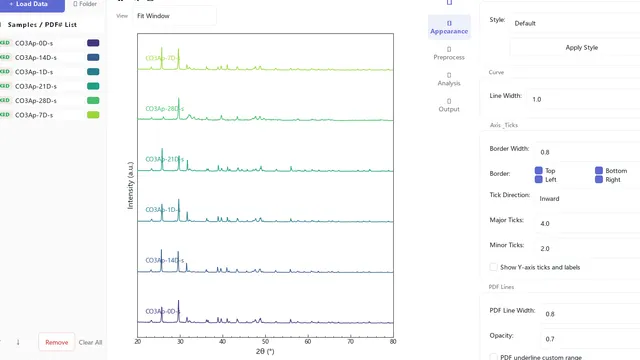
Free Windows app that turns raw XRD, FTIR, RAMAN, UV-Vis and DSC/TGA data into journal-ready figures in minutes — no Origin, no Python, no watermark. Multi-format loading, peak fitting with R² and residuals, Scherrer & Williamson-Hall crystallite size, Tauc bandgap, PDF-card phase matching, Miller indices, and vector export (PDF/SVG/EPS/TIFF). Download free; Pro unlocks instantly with a key.
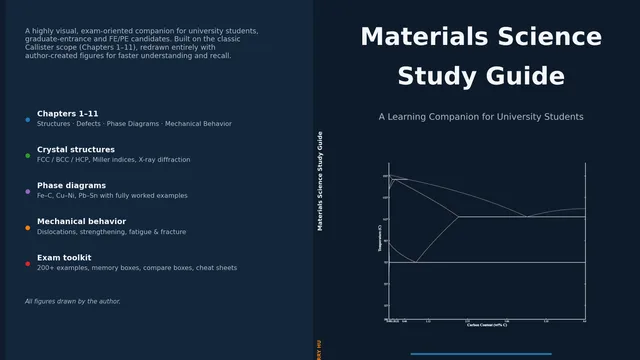
Materials science textbooks bury you in math before you grasp the concepts. Here is a different approach, using active recall and structured notes to learn crystal structures, phase diagrams, and mechanical properties.

Most Kyoto guides send you to the same crowded spots. Here is a different approach to visiting Kyoto that focuses on timing, neighborhoods, and the experiences that reward the independent traveler.

The Mediterranean diet is consistently rated the worlds best diet. But can a family with picky eaters and tight schedules actually follow it? Yes, and here is how the planning works.
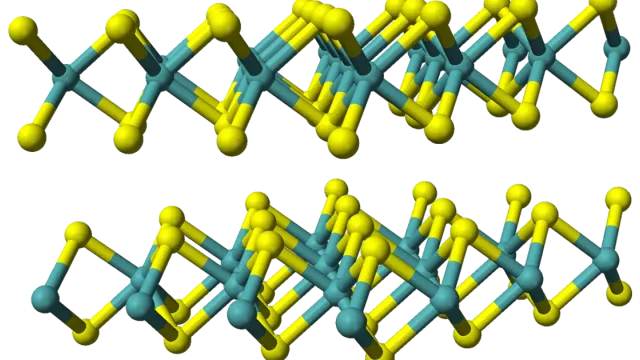
MoS₂, WS₂ and other 2D semiconductors promise to extend Moore's Law, but at least five industrialization bottlenecks stand between a lab-scale flake and a wafer-scale product.

Side hustles for parents face a constraint most guides ignore: you have limited time and it is not predictable. Here is a framework for income streams that work around parenting, not against it.

Personal finance advice for employees does not work for solopreneurs. Here is why the rules are different, and how to build a financial system that matches irregular income.
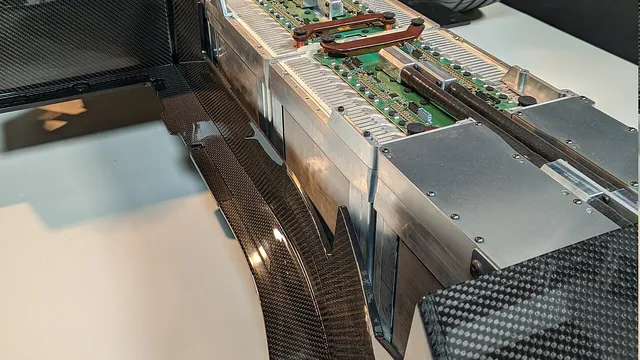
Battery recycling is not optional — 500,000 tons of Li-ion batteries will retire by 2025. But pyrometallurgy, hydrometallurgy, and direct regeneration each face different materials challenges.
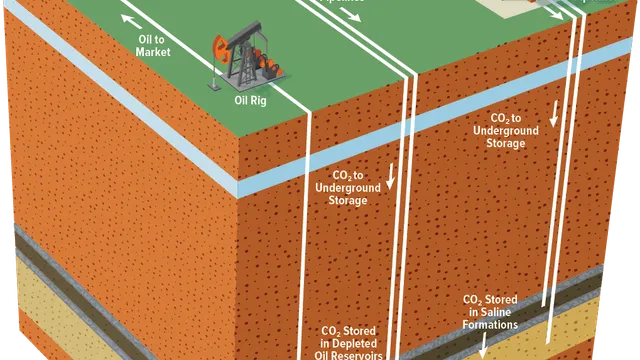
Carbon capture has been talked about for decades. The bottleneck is not engineering — it is materials chemistry.
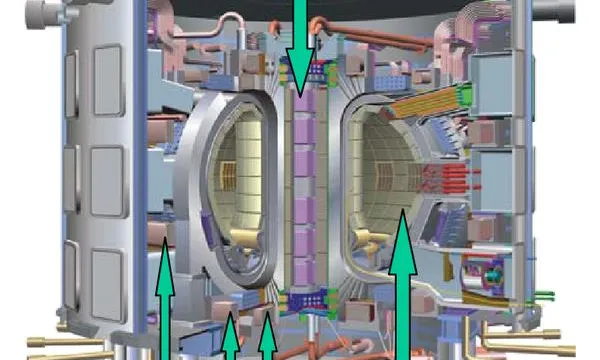
Fusion reactors need materials that can withstand 150 million degrees and constant neutron bombardment. No known material can do this for long.
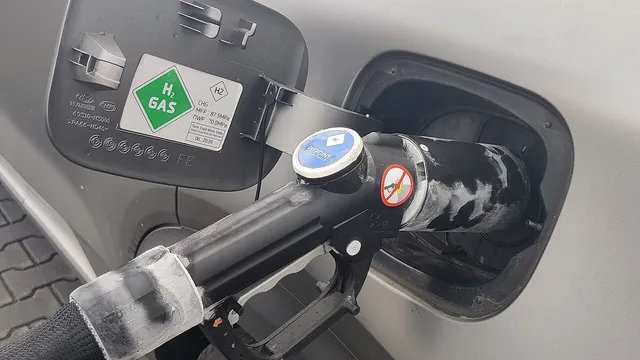
Making hydrogen is solved. Storing and moving it is not — and materials science is the bottleneck nobody talks about.
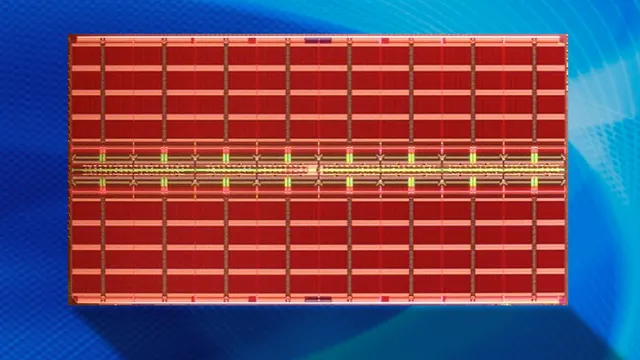
Hard drives are approaching the superparamagnetic limit. MRAM, PCM, FeRAM, and RRAM each promise to replace them — but each is stuck on a different materials problem.
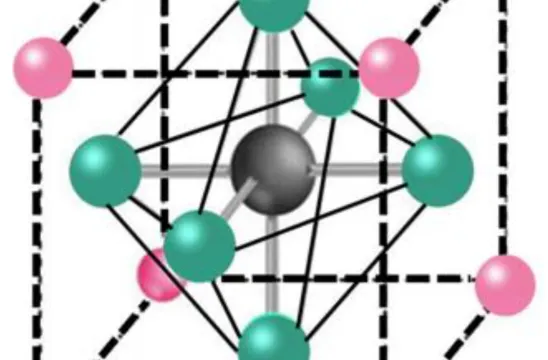
Perovskite solar cells have leapt from 3.8% to over 26% efficiency in fifteen years — faster than silicon ever did. But stability and lead toxicity remain unsolved.
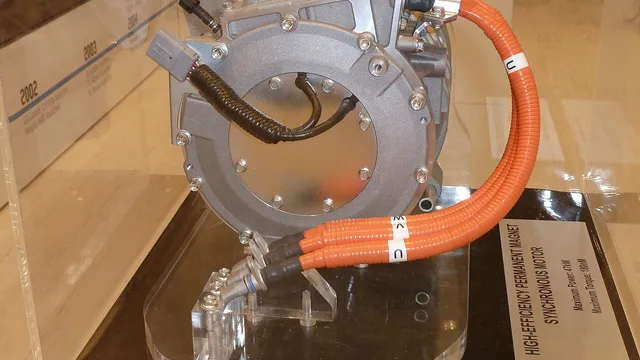
NdFeB is the strongest permanent magnet, but over 70% of rare earth supply comes from China. Alternative materials MnBi, MnAl, and ferrite each offer different tradeoffs.
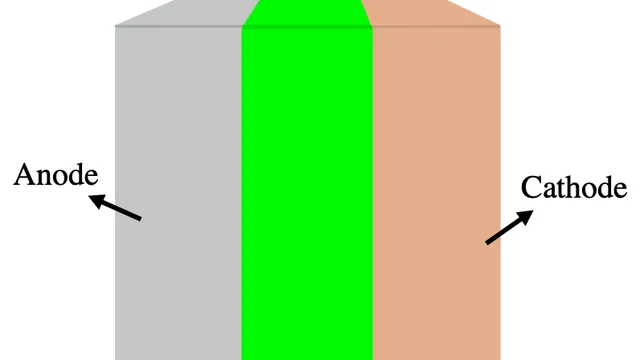
Solid-state batteries promise safer, denser energy storage. But sulfide, oxide, and polymer electrolytes each face fundamental materials tradeoffs before mass production.
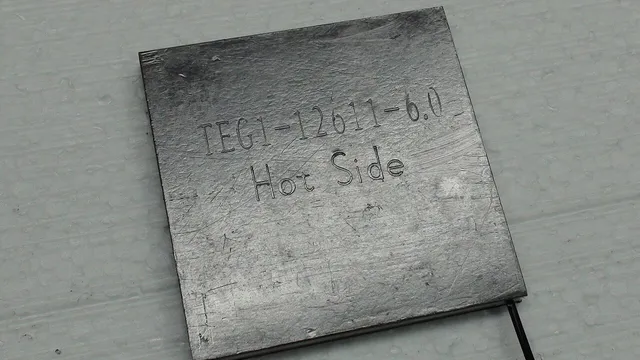
Thermoelectrics can convert waste heat directly into electricity. The problem is efficiency — and the materials tradeoffs that keep ZT values too low for commercial scale.
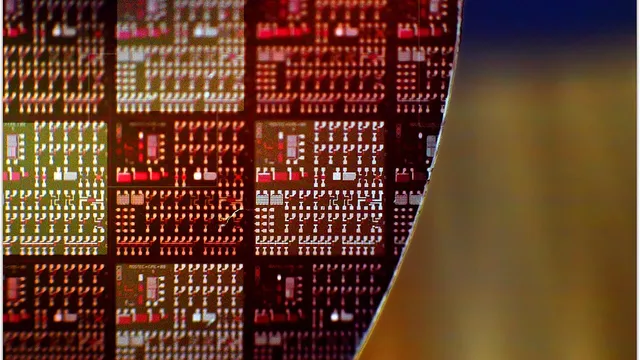
SiC and GaN waited nearly a century for their moment. Now they power EV inverters and 5G base stations — but manufacturing defects still hold them back.
Most productivity tools promise to save time but end up adding cognitive overhead. Here is a framework for choosing tools that actually work, and why AI changes the calculation for knowledge workers.
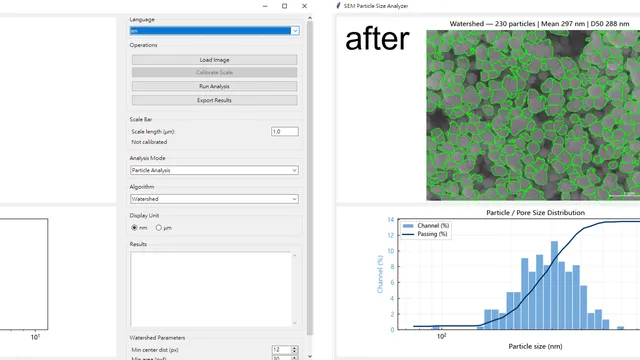
A practical guide to the SEM Particle Analyzer: what problem it solves, who it is for, how to install and run it, and what you can do with the output.
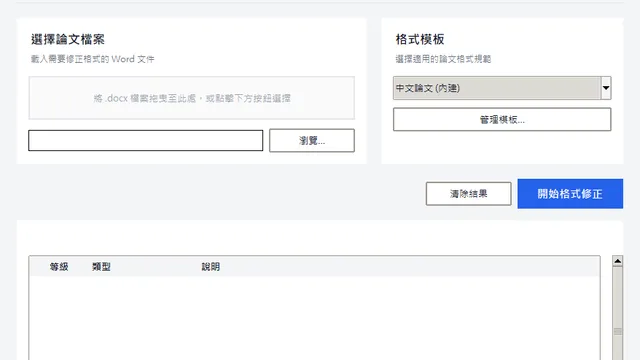
A practical guide to the Thesis Format Fixer: what pain it removes, who it is for, how to install and run it, and which formatting problems it fixes automatically.